
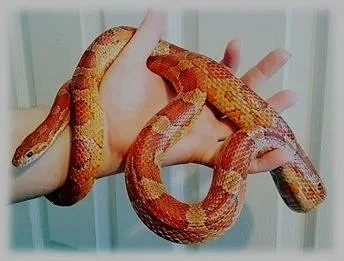
Corn Snake
Pantherophis guttatus
A calm, active and inquisitive snake that can make a rewarding long-term pet when its enclosure, heating and feeding are planned properly.
INFORMATION CHECKED: AUGUST 2026
QUICK FACTS
• Adult size: up to around 150 cm
• Adult enclosure: at least 150 × 50 × 50 cm
• Basking area: 28–30°C
• Cool end: 20–24°C
• Humidity: 40–50%
• UVB: a gradient from UVI 1.0 down to zero
BEFORE YOU BEGIN
Corn snakes are skilled escape artists and need a secure, well-ventilated vivarium. They are generally kept alone. Arrange the enclosure before bringing the snake home and check that the heat source and thermostat are stable.
ENCLOSURE
An adult should be able to stretch out fully. Provide at least two snug hides—one at the warm end and one at the cool end—plus foliage, branches and other cover. Corn snakes climb when given the opportunity, so secure branches and ledges are valuable enrichment. Spot-clean promptly and carry out a thorough clean with reptile-safe disinfectant around once a month.
HEATING & LIGHTING
Create a clear temperature gradient. Keep the basking area at 28–30°C and the cool end at 20–24°C. Night temperatures can fall to 16–20°C when the snake is healthy; use a thermostat-controlled, non-light-emitting heat source if the room becomes colder. Check temperatures daily with reliable digital thermometers. Provide a 12-hour day/night cycle and low-level UVB, with shade so the snake can move down to UVI zero. Albino morphs need particular care with UV exposure.
HUMIDITY
Aim for 40–50% humidity and monitor it with a digital hygrometer. Supply a humid hide during shedding rather than making the entire vivarium persistently damp. Poor ventilation or constantly wet substrate can contribute to skin and respiratory problems.
SUBSTRATE, HIDES & ENRICHMENT
Choose a safe, absorbent substrate that allows natural exploration. Avoid dusty or strongly scented materials. Provide secure hides, cork, foliage and climbing opportunities. Change the layout occasionally without removing every familiar scent at once.
FEEDING & WATER
Offer appropriately sized, fully thawed dead prey—never live prey. Hatchlings are commonly fed every 5–6 days, while healthy adults are usually fed every 7–14 days; adjust for age, body condition and advice from an experienced reptile vet. Provide clean drinking water every day in a stable bowl.
HANDLING
Allow a new snake time to settle. Handle gently with the body supported, keep early sessions short and avoid handling around feeding or while the snake is shedding. Always wash hands before and after contact.
WHEN TO CALL A REPTILE VET
Seek prompt advice for noisy or open-mouth breathing, bubbles around the nose or mouth, unexplained weight loss, repeated regurgitation, diarrhoea, mites, mouth inflammation, abnormal swelling, persistent refusal to eat or repeated problem sheds. An annual check with a reptile-experienced vet is a sensible part of preventive care.
SOURCE
RSPCA corn snake care guidance:
www.rspca.org.uk/adviceandwelfare/pets/other/cornsnake
This guide provides general husbandry information and is not a substitute for advice from a qualified reptile vet.